
Two Stages for Immediate Denture: Try-In and Final
- Wilson Truong

- May 12
- 4 min read
Immediate dentures are a vital solution for patients who need teeth replacement right after extraction. They help maintain aesthetics, function, and comfort during the healing period. Understanding the two main stages of immediate denture fabrication—the try-in and the final stage—is essential for dental professionals aiming to deliver precise and effective results.
In this post, I will walk you through these stages, focusing on key aspects like the separation denture base and denture bridge. I will also highlight how digital dental CAD design services, such as those offered by Vhub24, can support your practice in producing high-quality immediate dentures efficiently.
The Try-In Stage of Immediate Denture
The try-in stage is the first critical step in the immediate denture process. It allows both the dentist and the patient to evaluate the fit, appearance, and function of the denture before final fabrication.
Purpose of the Try-In
At this stage, the denture is made with a wax base and teeth set in wax. This setup lets you check:
The occlusion or bite alignment
The aesthetics, including tooth shape, size, and color
The fit of the denture base on the gums and ridges
Speech and comfort for the patient
This step is essential to avoid costly adjustments after the denture is finalized.
What Happens During the Try-In?
During the try-in appointment, you place the wax denture in the patient’s mouth. You observe how it fits and functions. The patient can also provide feedback on comfort and appearance.
If any issues arise, such as poor fit or unnatural tooth positioning, you can make adjustments to the wax setup. This flexibility helps ensure the final denture will meet expectations.
Key Considerations
Separation Denture Base: At this stage, the base is still in wax, allowing easy modification. It is important to ensure the base covers the necessary areas without causing irritation.
Denture Bridge Setup: If the denture includes a bridge component, verify its stability and integration with the base during try-in.
Benefits of Digital CAD Design in Try-In
Using digital dental CAD design services can streamline the try-in process. For example, Vhub24’s CAD design allows precise virtual modeling of the denture base and bridge. This reduces errors and speeds up adjustments before the physical try-in.
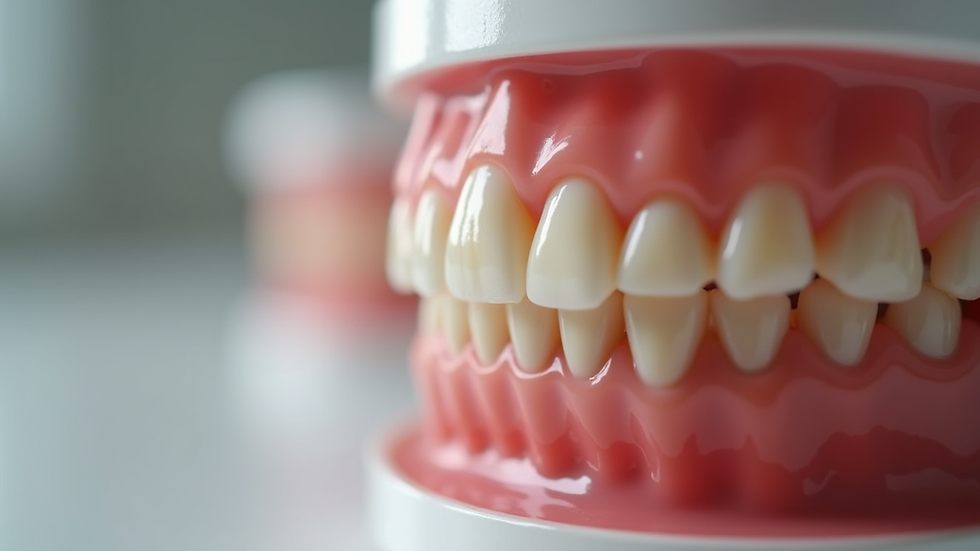
Wax try-in denture placed on upper gums to check fit and aesthetics
The Final Stage of Immediate Denture
Once the try-in is approved, the final stage begins. This involves fabricating the permanent denture using durable materials and ensuring it fits perfectly.
Fabrication of the Final Denture
The final denture base is made from acrylic resin or other long-lasting materials. The teeth are set permanently, and the denture is polished for comfort and appearance.
Separation Denture Base in Final Denture
The separation denture base refers to the part of the denture that interfaces with the gums and underlying tissues. It must be carefully designed to:
Provide a secure fit without pressure points
Allow for easy removal and cleaning by the patient
Accommodate any changes in the gum shape after extraction
Proper design of the separation base is crucial for patient comfort and denture stability.
Denture Bridge Integration
If the denture includes a bridge, it must be securely attached to the base. The bridge replaces multiple missing teeth and helps distribute chewing forces evenly.
Ensuring the bridge fits well with the base and aligns with the opposing teeth is vital for function and longevity.
Role of Digital CAD Design in Final Stage
Digital design services like Vhub24’s CAD solutions can create highly accurate models for the final denture. This technology helps:
Design the separation denture base with precision
Integrate the denture bridge seamlessly
Reduce turnaround time for fabrication
Improve overall fit and patient satisfaction

Polished final immediate denture showing the integrated denture bridge
Comparing Traditional and Digital Approaches
Traditional denture fabrication relies heavily on manual impressions and wax try-ins. While effective, this method can be time-consuming and prone to errors.
Digital CAD design services offer several advantages:
Accuracy: Digital scans capture precise anatomy, improving fit.
Speed: Faster design and production reduce patient wait times.
Customization: Easy to adjust designs for individual needs.
Consistency: Repeatable quality across cases.
For example, using Vhub24’s digital dental CAD design can help dental clinics deliver immediate dentures that meet high standards without delays.
Practical Tips for Successful Immediate Denture Fabrication
Schedule the try-in appointment carefully to allow time for adjustments.
Communicate clearly with the patient about what to expect during try-in and final fitting.
Use digital design tools to enhance precision and reduce remakes.
Pay close attention to the separation denture base to avoid sore spots.
Ensure the denture bridge is stable and well-aligned for proper function.

Dental technician using digital tools to design an immediate denture
Immediate dentures require careful planning and execution. The try-in stage lets you verify fit and aesthetics, while the final stage delivers a durable, comfortable prosthesis. Incorporating digital CAD design services like those from Vhub24 can improve accuracy and efficiency, helping your practice provide excellent patient care.
By focusing on these two stages and leveraging modern technology, you can ensure immediate dentures meet both clinical and patient expectations. This approach supports better outcomes and smoother workflows in your dental practice.


Comments